Hip pain and joint stiffness can make everyday life difficult. Walking, climbing stairs, standing for long periods, and even sleeping comfortably become challenging when the hip joint is severely damaged. Many patients searching for hip replacement Jagadhari are looking for advanced treatment options that provide pain relief, improved mobility, and faster recovery.
Modern orthopedic care has significantly improved recovery outcomes after hip replacement surgery. Today, advanced procedures like robotic hip replacement Jagadhari patients prefer offer better precision, minimally invasive techniques, and improved rehabilitation support.
Recovery after surgery is an important phase that helps patients regain strength, flexibility, and confidence. With proper care, physiotherapy, and rehabilitation, most patients can return to normal daily activities successfully.
This blog explains the recovery process after hip replacement surgery and how advanced orthopedic treatment helps Jagadhari patients achieve long-term mobility and pain relief.
What Is Hip Replacement Surgery?
Hip replacement surgery is an orthopedic procedure where damaged parts of the hip joint are replaced with artificial implants. It is usually recommended for patients suffering from:
- Severe arthritis
- Chronic hip pain
- Joint damage
- Hip fractures
- Reduced mobility
- Cartilage degeneration
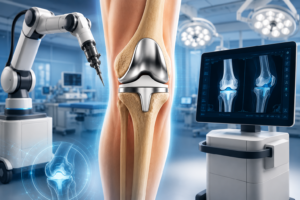
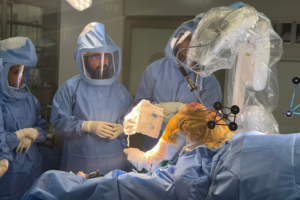
Patients searching for robotic hip replacement Jagadhari often prefer robotic-assisted surgery because of its improved precision and faster recovery benefits.
Why Recovery Is Important After Hip Replacement
Recovery is essential for restoring:
- Joint movement
- Muscle strength
- Walking ability
- Flexibility
- Daily function
Proper rehabilitation also reduces the risk of complications and helps patients achieve better long-term outcomes.
Patients searching for hip replacement recovery Jagadhari should understand that recovery depends on:
- Age and health condition
- Surgical technique
- Physiotherapy participation
- Exercise consistency
- Post-surgical care
Stages of Recovery After Hip Replacement Surgery
1. Early Recovery Phase
The first few days after surgery focus on pain management and safe movement.
Patients may:
- Start walking with support
- Perform gentle exercises
- Begin physiotherapy
- Learn safe sitting and standing techniques
Modern robotic hip replacement Jagadhari procedures often reduce tissue damage, allowing patients to recover more comfortably.
2. Physiotherapy and Rehabilitation
Physiotherapy is one of the most important parts of recovery.
Rehabilitation programs generally include:
- Strength exercises
- Balance training
- Walking practice
- Joint mobility exercises
- Muscle strengthening
Regular physiotherapy helps improve flexibility and restore normal movement faster.
3. Improving Mobility
Most patients gradually improve their walking ability and daily activity levels within a few weeks.
Patients recovering from hip replacement Jagadhari surgery should:
- Follow exercise routines carefully
- Avoid excessive strain
- Maintain proper posture
- Attend regular follow-up visits
Consistency is important for long-term recovery success.
Benefits of Robotic Hip Replacement
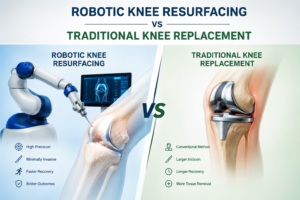
Modern robotic hip replacement Jagadhari surgery offers several advantages compared to traditional procedures.
Benefits include:
- Higher surgical precision
- Better implant positioning
- Less tissue damage
- Faster rehabilitation
- Reduced pain after surgery
- Improved mobility
Robotic technology helps surgeons improve alignment and reduce complications during surgery.
Managing Knee Pain After Hip Surgery
Some patients may experience knee discomfort because hip and knee joints are connected during movement and posture control.
Patients searching for knee pain treatment Jagadhari after hip surgery may benefit from:
- Physiotherapy
- Joint strengthening exercises
- Pain management therapy
- Posture correction
- Advanced orthopedic evaluation
Proper rehabilitation usually improves both hip and knee function.
Role of Stem Cell Therapy in Orthopedic Recovery
Many patients also explore regenerative treatments such as stem cell therapy Jagadhari for joint pain and tissue healing.
Stem cell therapy may help:
- Reduce inflammation
- Improve tissue repair
- Support joint healing
- Delay joint degeneration
- Improve mobility
In some cases, regenerative therapy may be recommended along with rehabilitation programs for improved recovery support.
Tips for Faster Recovery After Hip Replacement
Patients recovering from hip replacement surgery should:
- Follow physiotherapy instructions
- Maintain healthy nutrition
- Stay physically active within limits
- Avoid sudden twisting movements
- Use walking support if advised
- Attend regular medical follow-ups
Good rehabilitation habits help patients recover faster and improve long-term joint function.
Common Challenges During Recovery
Some patients may temporarily experience:
- Swelling
- Muscle weakness
- Joint stiffness
- Mild discomfort
- Balance issues
These symptoms usually improve with regular exercises and proper rehabilitation support.
When Should You Contact Your Orthopedic Doctor?
Patients should consult an orthopedic specialist if they experience:
- Severe pain
- Excessive swelling
- Difficulty walking
- Fever or infection signs
- Sudden mobility problems
Early medical attention helps prevent complications and supports safer recovery.
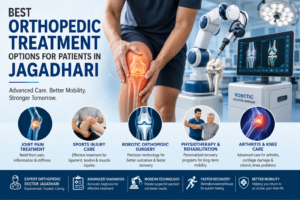
Why Patients from Jagadhari Prefer Advanced Orthopedic Care
Many patients now choose advanced orthopedic centers for:
- Robotic-assisted surgery
- Minimally invasive procedures
- Advanced rehabilitation programs
- Modern diagnostic technology
- Experienced orthopedic surgeons
These facilities improve recovery outcomes and patient satisfaction.
Conclusion
Recovery after hip replacement surgery plays a major role in restoring comfortable movement and improving quality of life. Patients searching for hip replacement recovery Jagadhari, robotic hip rephttps://robotickneeresurfacing.in/total-knee-resurfacing-in-mohali/lacement Jagadhari, and stem cell therapy Jagadhari now have access to advanced orthopedic treatment options that support faster healing and long-term mobility improvement.
With proper rehabilitation, physiotherapy, and expert orthopedic care, most patients can successfully return to daily activities and enjoy a more active, pain-free lifestyle.
FAQs
How long does recovery take after hip replacement surgery?
Most patients recover within a few weeks, while complete rehabilitation may take several months.
Is robotic hip replacement better than traditional surgery?
Robotic surgery improves surgical precision, implant positioning, and recovery outcomes.
Can physiotherapy improve hip replacement recovery?
Yes. Physiotherapy is essential for strengthening muscles, improving mobility, and restoring joint function.
Can stem cell therapy help orthopedic recovery?
Stem cell therapy may support tissue healing and reduce inflammation in some orthopedic conditions.
Do patients from Jagadhari visit Mohali for hip replacement surgery?
Yes. Many patients prefer advanced orthopedic centers offering robotic-assisted hip replacement and rehabilitation care.